
Wie funktioniert ein Nugget-Eismacher?? Ein Blick in den Eisherstellungsprozess
Freigeben:
-

-

-

-


Kopiert
Freigeben:
-
-
-
-
Kopiert
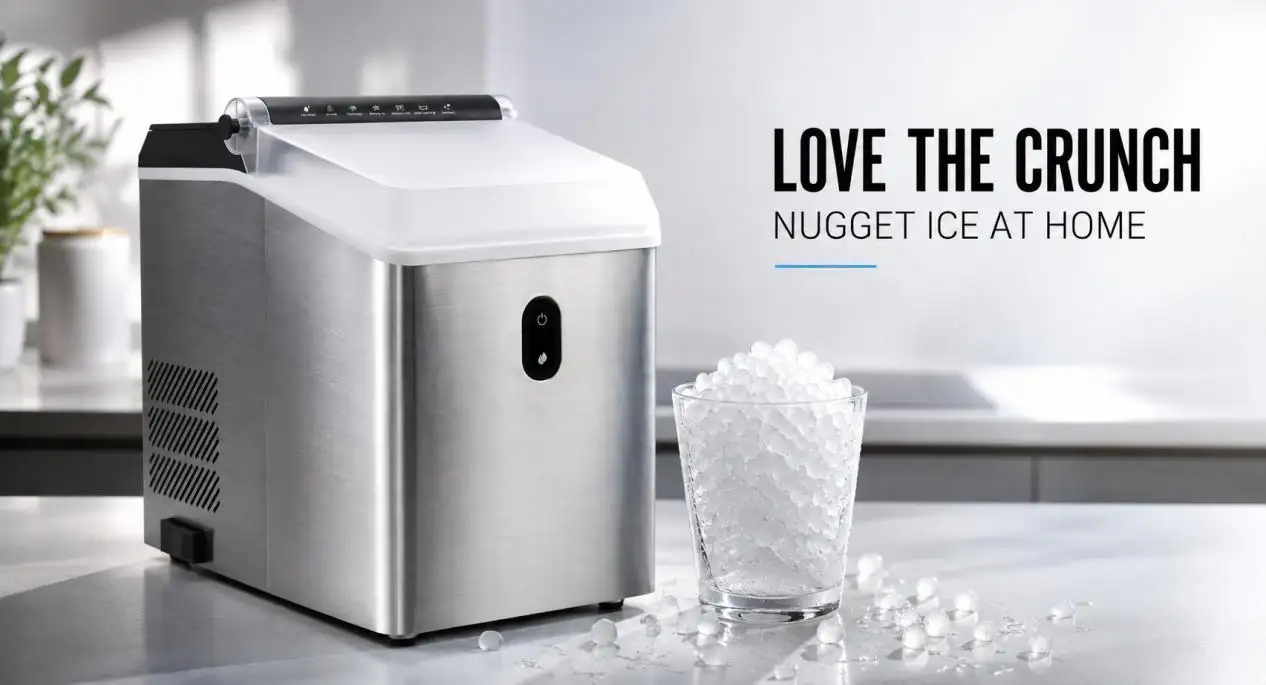
Nugget-Eis sieht einfach genug aus. Klein, Weiche Eisstücke fallen in den Mülleimer, bereit, in ein Glas zu gehen.
But making that texture is quite different from making a regular ice cube.
A cube ice maker usually freezes water inside a mold until it becomes a solid piece. A nugget ice maker takes a more continuous approach. Water freezes against a cold surface, the ice is scraped away as it forms, and those small ice flakes are then compressed into the soft pieces people recognize as nugget ice.
So, what is actually happening inside the machine?
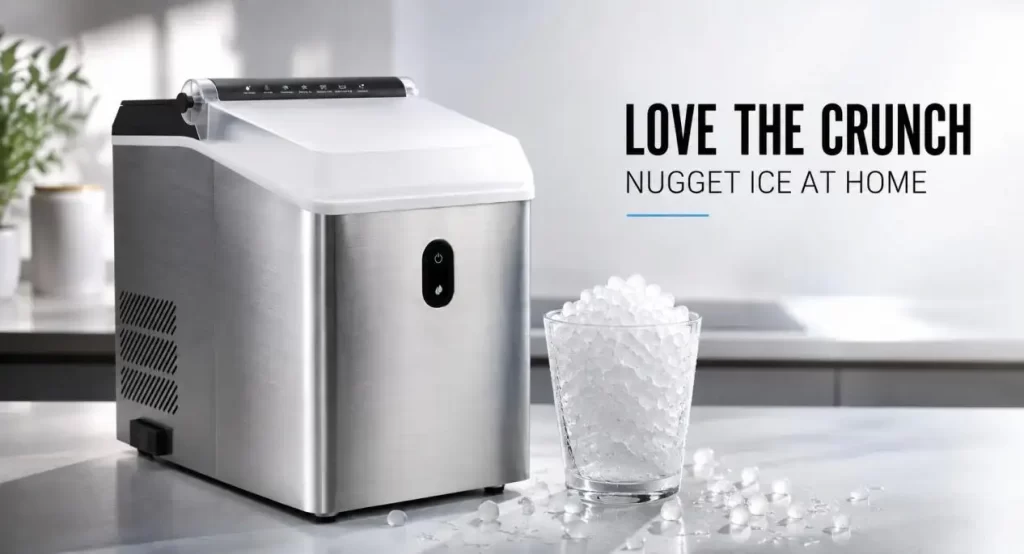
Wie wird Nugget-Eis hergestellt?
The easiest way to picture the process is to follow the ice through the machine.
Water enters the ice-making system and is circulated toward a cold freezing cylinder. As the refrigeration system removes heat, a layer of ice gradually forms on the cylinder surface.
The ice does not stay there for long.
An internal auger continuously scrapes the frozen layer from the cylinder and moves it upward. At this point, the ice is closer to small flakes than the finished nuggets you see in the storage bin.
Further along the path, those flakes are compressed together. That is where the familiar nugget texture starts to take shape.
It sounds straightforward, but getting all of these steps to work smoothly in a compact appliance takes quite a bit of engineering.
The Refrigeration System: Where the Process Starts
Every nugget ice maker needs a refrigeration system capable of creating and maintaining a sufficiently cold freezing surface.
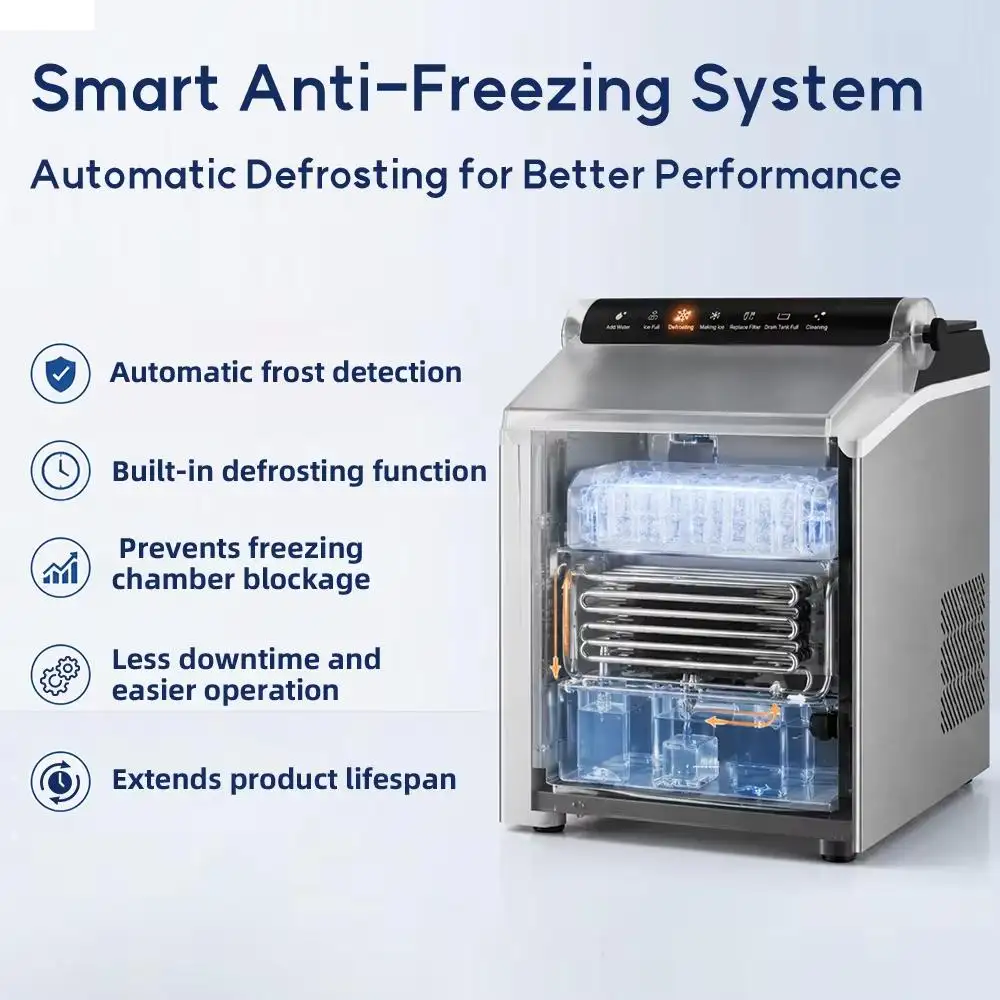
Inside the machine, the freezing cylinder becomes the working surface where water turns into ice. The system needs to remove heat continuously while the machine is producing ice.
This is different from simply freezing a tray of water and waiting for it to become solid.
The thickness of the ice layer, Kühlleistung, water circulation and operating conditions can all affect how the machine behaves. Ambient temperature and water temperature matter too, particularly when a compact machine is being used for long periods.
That is why the refrigeration system cannot really be looked at in isolation. It has to work with the rest of the ice-making mechanism.
The Auger Keeps the Ice Moving
The auger is one of the parts that makes nugget ice production possible.
As ice builds up on the freezing cylinder, the auger scrapes it away and carries it toward the upper section of the machine. The movement is continuous, so there is no need to wait for a full tray of cubes before releasing the ice.
The auger also plays a role in the final texture.
Its interaction with the freezing cylinder, motor and compression area needs to be carefully controlled. If one part of the system is changed, the effect can show up somewhere else—perhaps in production speed, motor load or the consistency of the finished ice.
Aus diesem Grund, designing a nugget ice maker is not simply a matter of choosing a stronger motor.
Where the Chewable Texture Comes From
This is probably the part most people notice about nugget ice.
After the auger scrapes the ice from the cylinder, the ice is compressed as it moves through the system. Instead of becoming one dense, solid block, the small ice flakes are pressed together to form compact nuggets.
That structure is what gives nugget ice its softer bite.
It also explains why nugget ice feels different from both cube ice and ordinary crushed ice. Crushed ice starts as a solid piece that has been broken apart. Nugget ice is formed from ice flakes and compressed during the production process.
The final size and texture depend on the machine's internal design.
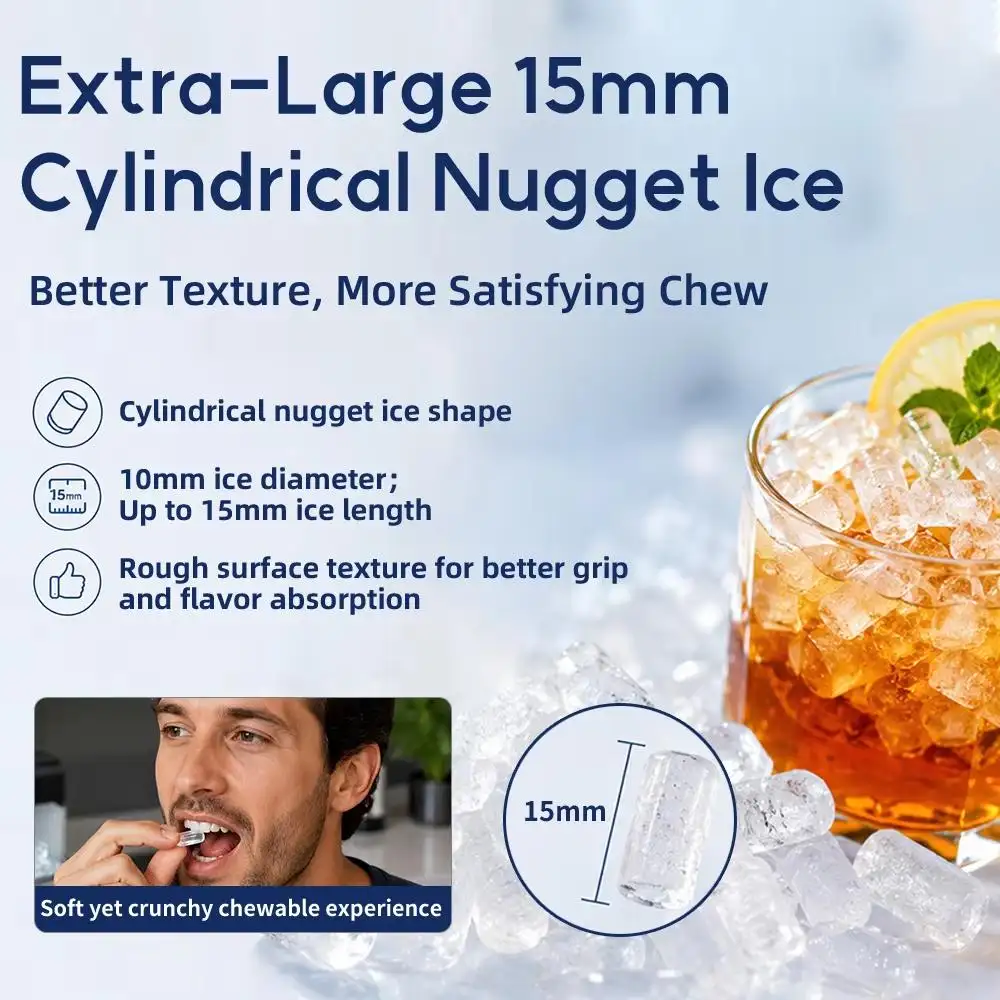
Zum Beispiel, YUMYTH's YJ2001 produces ice pellets approximately 10 mm in diameter and 10–20 mm in length. The result is a relatively small pellet with the soft, chewable texture associated with nugget ice.
What Happens to the Ice After It Is Made?
Once the compressed ice reaches the outlet, it drops into the storage area.
There is more going on here than simply collecting ice, Obwohl.
A practical machine also has to deal with water, condensation and routine maintenance. YJ2001, zum Beispiel, uses a built-in condensate tray, so collected condensate does not require an external drainage setup. That gives users more freedom when choosing where to place the machine.
The user interface matters as well.
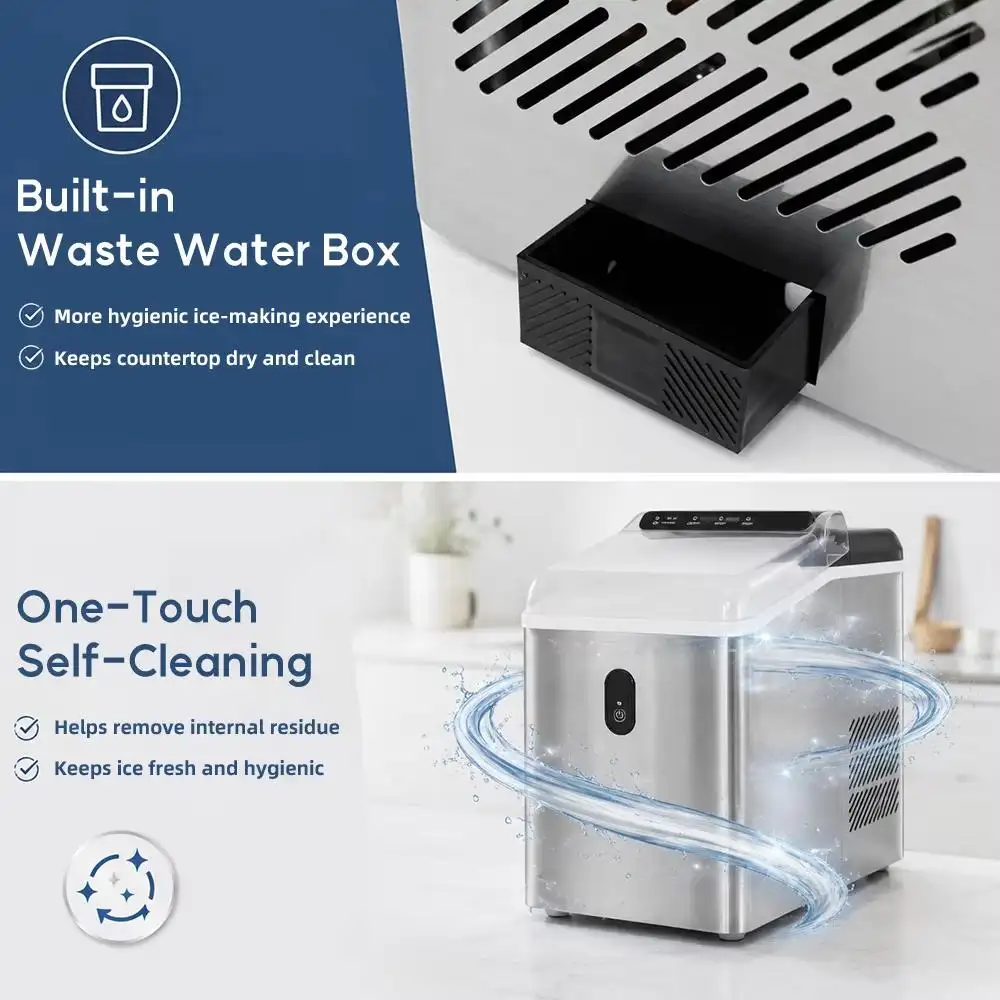
On the YJ2001, indicators cover everyday functions such as Add Water, Ice Full, Defrosting, Making Ice, Check Filter, Empty Drain and Cleaning. They are small details, but they make the machine easier to understand when something needs attention.
How Quickly Can a Nugget Ice Maker Produce Ice?
There is no single production speed that applies to every nugget ice maker.
Raumtemperatur, Wassertemperatur, refrigeration performance and the machine's overall design can all influence output.
Under its specified test conditions, YUMYTH's YJ2001 can produce its first batch in around 7–15 minutes and reach a rated output of up to 20 kg Eis in 24 Stunden.
For a household or light-commercial machine, Obwohl, output is only one number worth looking at.
A machine that produces a lot of ice but is difficult to clean, generates excessive heat or struggles with long-term operation may not be the right fit for the application. In product development, these things tend to become connected very quickly.
Cleaning and Protection Are Part of the Ice-Making System
Because water is constantly moving through the machine, cleaning cannot be an afterthought.
YJ2001 includes a one-touch self-cleaning function. A cleaning cycle takes approximately 10 minutes, giving users a relatively simple way to handle routine maintenance.
The machine also has several protection functions.
If the motor stalls, motor stall protection can stop operation to help prevent damage. An anti-freeze protection function can respond to freeze-up conditions, while smart alerts notify the user when the water level is low or the ice bin is full.
These features may not affect the shape of the ice, but they have a lot to do with how the machine performs in everyday use.
YUMYTH-Industrieperspektive: What We Look At During Development
From the outside, a nugget ice maker can look like a fairly simple countertop appliance. The development process tells a different story.
During the development of the YJ2001 Nugget-Eismaschine, one of the key targets was a compact machine capable of producing up to 20 kg of ice in 24 hours while maintaining the expected nugget texture.
That meant looking beyond the headline production figure.
Our development work involved prototype testing and performance adjustments around the freezing system, water circulation, Schneckenmechanismus, Innenstruktur und Wärmeableitung. We also had to consider details such as condensate collection, cleaning and protection functions.
One change rarely stays isolated in this type of product.
Adjusting the ice-making mechanism can affect motor load. Changing the internal layout can influence airflow and heat dissipation. Water circulation can affect freezing performance. Those relationships are easy to overlook when looking only at the finished machine.
This is why we put considerable attention into prototype evaluation before moving toward mass production.
For brands working on an OEM or ODM project, this development stage can be just as important as the final appearance of the product.
Nugget Ice vs. Cube Ice: What Is the Difference?
| Ausstattung | Nugget Ice | Cube Ice |
| Production method | Frozen, scraped and compressed | Frozen in a mold |
| Textur | Weich und kaubar | Harder and more solid |
| Form | Small pellets | Defined cubes |
| Production process | Kontinuierlich | Usually batch-based |
| Typische Verwendung | Erfrischungsgetränke, Eiskaffee, smoothies and other beverages | Getränke, food service and general cooling |
Neither type is simply “better.” They are made for different purposes.
For buyers choosing a machine, the intended application is usually a better starting point than production capacity alone.
Häufig gestellte Fragen
How does a nugget ice maker make chewable ice?
It freezes water on a cold cylindrical surface, scrapes the ice into small flakes, and then compresses those flakes into nuggets.
What does the auger do in a nugget ice maker?
The auger removes ice from the freezing cylinder and moves it through the machine. It also helps feed the ice into the compression stage.
Does a nugget ice maker use an ice mold?
Allgemein, Nein. Unlike a traditional cube ice maker, a nugget ice maker forms ice on a cold surface and continuously scrapes it away rather than freezing individual cubes in a mold.
Why is nugget ice softer than cube ice?
Nugget ice is made from compressed ice flakes rather than one solid frozen block. This gives it a softer, more chewable structure.
Does a higher ice production rate mean a better nugget ice maker?
Nicht unbedingt. Output is only one part of the equation. Kälteleistung, Schneckenkonstruktion, water circulation, Lärm, cleaning and protection functions also matter.
Can a nugget ice maker be customized for a brand?
Ja. Je nach Projekt, OEM and ODM customization may include the appearance, Branding, Steuerung, ice production capacity, Funktionen, packaging and certain structural elements.
Abschließende Gedanken
The basic idea behind nugget ice is easier to understand once you look inside the machine.
Water is frozen against a cold surface. An auger removes the ice as it forms. Those flakes are then compressed into the small, soft pieces that end up in the storage bin.
The interesting part is how many things have to work together to make that simple process reliable.
For anyone sourcing or developing a nugget ice maker, looking beyond the advertised kilograms per day can reveal much more about the product. Das Kühlsystem, Schnecke, water circulation, cleaning system and protection functions all contribute to the final result.
And when the goal is an OEM or ODM product, those details become part of the development conversation from the beginning.
Suggested Internal Links
- Was ist Nugget-Eis? → Introduction to nugget ice, its texture and characteristics
- Nugget Ice vs. Cube Ice Guide → Detailed comparison of different types of ice
- Kaufrat-Leitfaden für Nugget-Eisbereiter → Key factors buyers should evaluate
- Nugget Ice Maker OEM & ODM-Lösungen → YUMYTH customization and development capabilities
- Nugget Ice Maker Quality Control → Quality checks before mass production
Verwandte Artikel
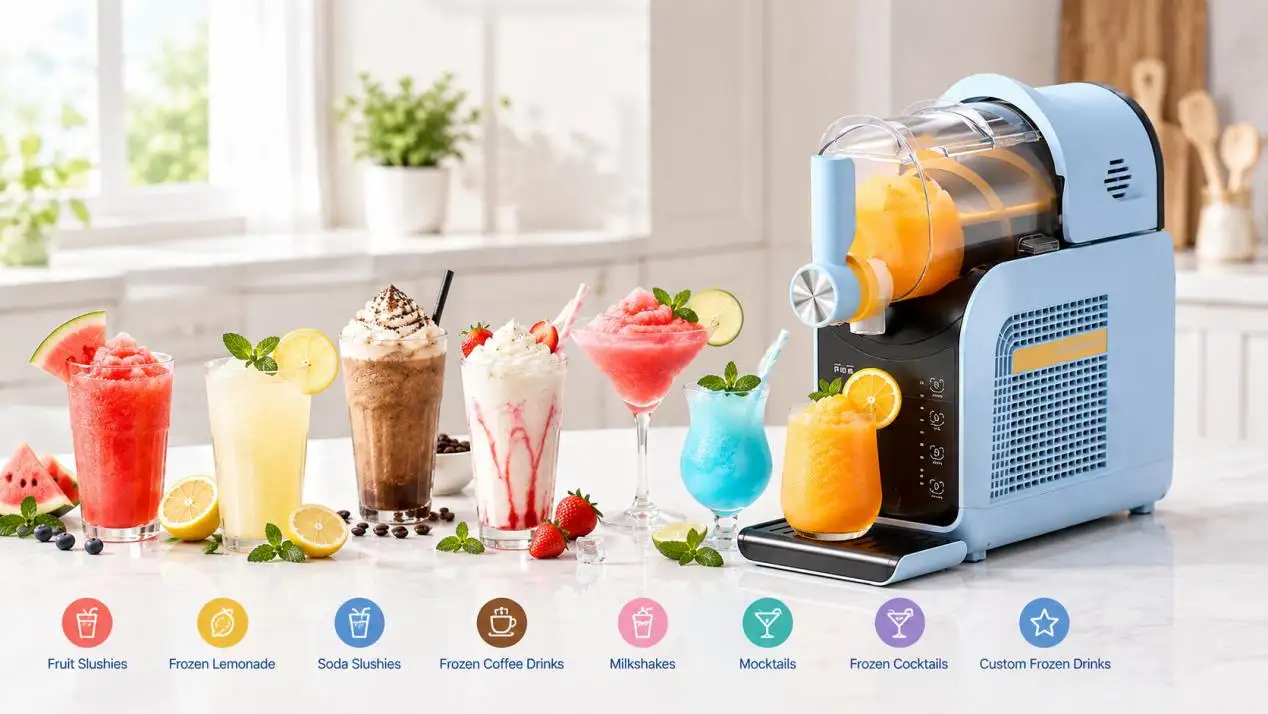
Haushalts-Slush Machine: Was Sie vor dem Kauf eines im Jahr 2026 wissen sollten
2026-09-24
VON YUMYTH
Eine Haushalts-Slush-Maschine stellt zu Hause gefrorene Getränke her. Es funktioniert anders als ein Mixer. Ein Mixer zerdrückt Eis in dein Getränk, was Wasser hinzufügt und den Geschmack verwässert. ...
Wie funktioniert ein Nugget-Eismacher?? Ein Blick in den Eisherstellungsprozess
2026-09-24
VON YUMYTH
Nugget-Eis sieht einfach genug aus. Klein, Weiche Eisstücke fallen in den Mülleimer, bereit, in ein Glas zu gehen. Aber diese Textur herzustellen ist ganz anders als ein ....
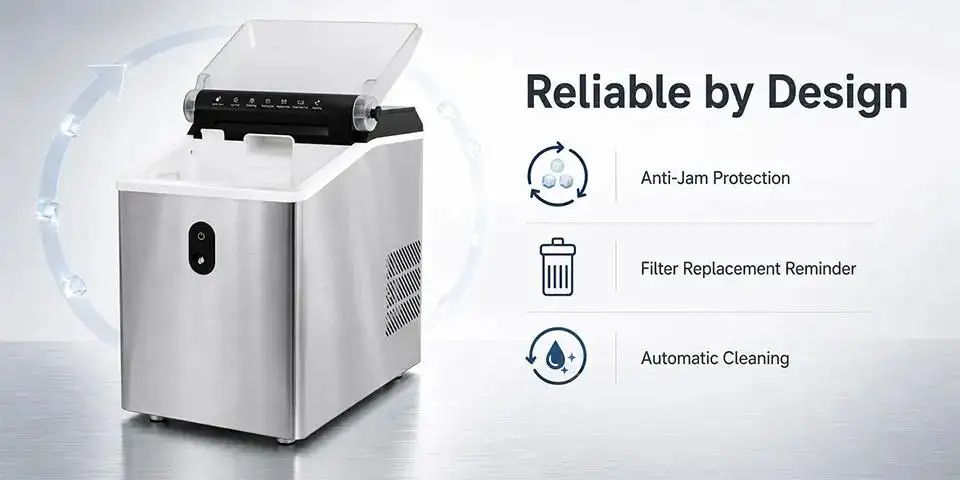
Nugget-Eismaschine für Café: Wie die Eistextur Kaffee beeinflusst
2026-09-24
VON YUMYTH
Bei der Auswahl eines Nugget-Eismachers für ein Café, Es gibt viele Faktoren zu berücksichtigen, abgesehen von der Geschwindigkeit der Eisbildung. Bei YUMYTH, Wir betrachten die nachgelagerten Implikationen ....
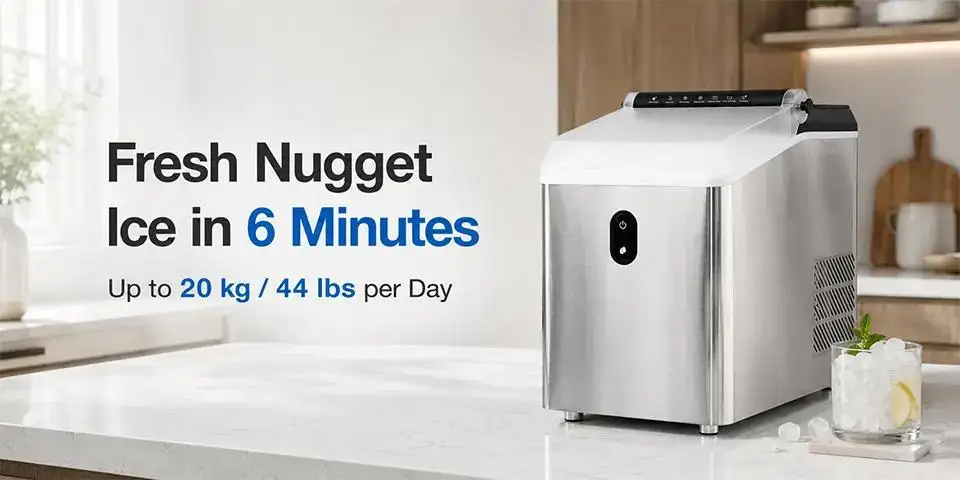
Warum Nugget-Eis für Limonade ein anderes Mundgefühl erzeugt als herkömmliche Eiswürfel
2026-09-24
VON YUMYTH
Bei YUMYTH, Wir glauben, dass Nugget Ice für Limonade mehr bedeutet als nur die Wirkung auf die Temperatur. Auch die Struktur von Eis verändert die Wahrnehmung von Kohlensäure, Wie schnell ...